
How to Learn Coding in College?
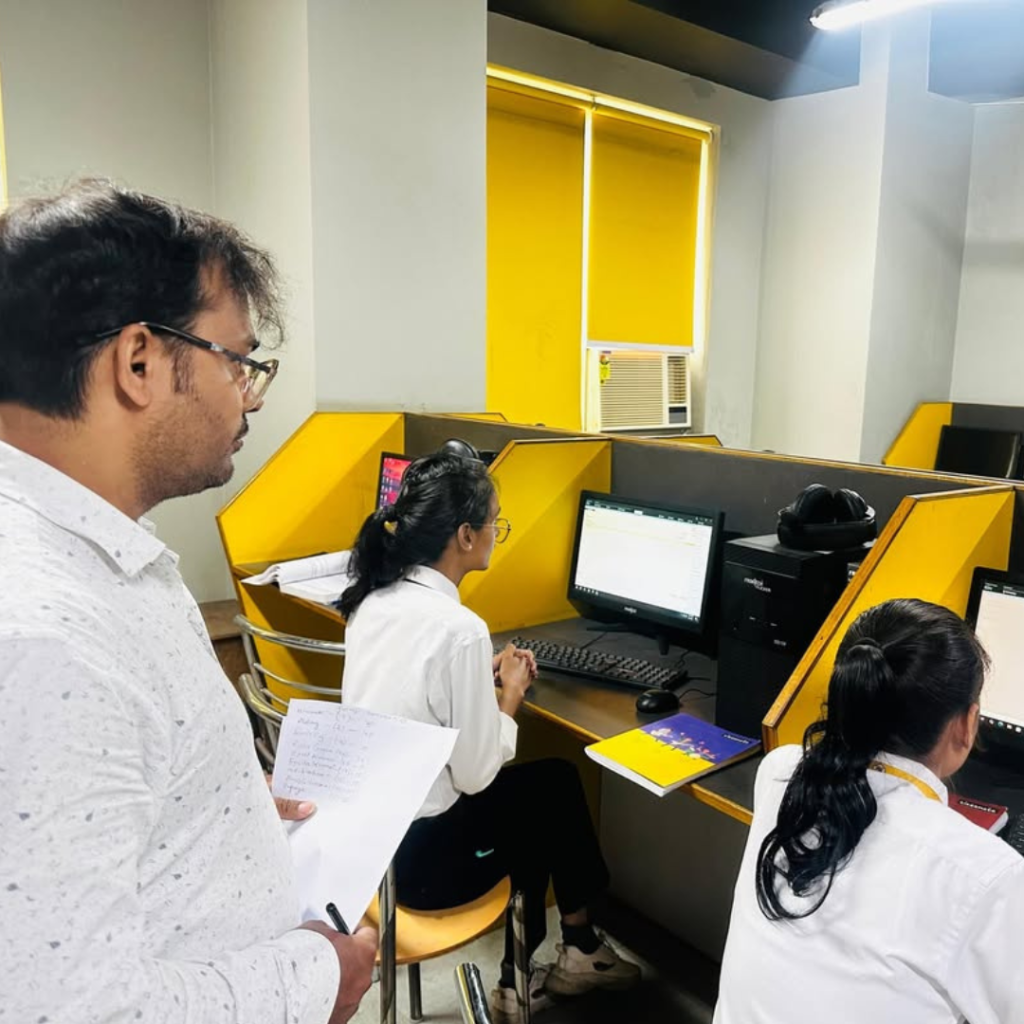
How to Learn Coding in College: Complete Beginner’s Guide
Learning coding during college is one of the smartest decisions a student can make today. Whether you want to become a software developer, data analyst, web developer, or tech entrepreneur, coding is a must-have skill.
If you are wondering:
👉 “How to learn coding in college?”
This guide will help you understand the step-by-step process, tools, skills, and strategies to become a confident coder—even if you are starting from zero.
Why Learning Coding in College Is Important
Coding is not just for IT students anymore. It is a valuable skill for students from BCA, BBA, B.Sc IT, and even commerce backgrounds.
Benefits of Learning Coding:
- High-paying career opportunities
- Strong demand in all industries
- Freelancing and remote work options
- Ability to build apps, websites, and software
Problem-solving and logical thinking skills
Step-by-Step Guide to Learn Coding in College
Step 1: Choose the Right Programming Language
Start with a beginner-friendly language.
Best Languages for Beginners:
- Python – Easy to learn and widely used
- JavaScript – Essential for web development
- Java – Strong for enterprise applications
- C/C++ – Good for building logic
👉 Recommendation: Start with Python or JavaScript
Step 2: Understand the Basics
Before building projects, focus on fundamentals:
- Variables and data types
- Loops and conditions
- Functions
- Arrays and basic data structures
A strong foundation is key to becoming a good developer.
Step 3: Practice Daily
Coding is a practical skill—it improves with practice.
Daily Practice Tips:
- Solve coding problems
- Write small programs
- Practice on platforms like coding challenge websites
- Spend at least 1–2 hours daily
Consistency matters more than speed.
Step 4: Build Real Projects
Projects are the most important part of learning coding.
Beginner Project Ideas:
- Personal portfolio website
- Calculator app
- To-do list application
- Blog website
Projects help you:
- Apply your knowledge
- Build confidence
Create a portfolio for jobs
Step 5: Learn Web Development
Web development is one of the easiest ways to start coding.
Learn:
- HTML (structure)
- CSS (design)
- JavaScript (functionality)
Then move to frameworks like:
- React
- Node.js
Step 6: Use GitHub
GitHub is essential for developers.
Benefits:
- Store your code
- Showcase your projects
- Collaborate with others
Employers often check GitHub profiles during hiring.
Step 7: Do Internships
Internships give real-world experience.
You will learn:
- How companies work
- How to build real software
- Team collaboration
Students with internship experience have better placement opportunities.
Step 8: Learn from Multiple Sources
Do not depend only on college syllabus.
Use:
- Online courses
- YouTube tutorials
- Coding platforms
- Documentation
Self-learning is key in coding.
Skills Required to Become a Good Coder
To succeed in coding, students should develop:
- Logical thinking
- Problem-solving skills
- Patience and consistency
- Debugging skills
Continuous learning mindset
Common Mistakes Students Should Avoid
- Learning too many languages at once
- Not practicing regularly
- Focusing only on theory
- Avoiding projects
- Giving up early
👉 Focus on consistency and practice
Best Career Options After Learning Coding
Students who learn coding can explore careers such as:
- Software Developer
- Web Developer
- App Developer
- Data Analyst
- Full Stack Developer
- AI/ML Engineer
Coding opens doors to both jobs and freelancing opportunities.
How Vestor College of Management Helps Students Learn Coding
At Vestor College of Management, Patna, coding is taught with a practical and career-focused approach.
Industry-Oriented Programs (BCA & B.Sc IT)
Students learn:
- Programming languages
- Software development
IT tools and technologies
Add-On Certification Courses
Students get access to additional skill programs such as:
- Programming languages
- Web development
Digital skills
Practical Learning Approach
Focus on:
- Hands-on training
- Live projects
Real-world problem solving
Internship Opportunities
Students gain:
- Industry exposure
- Real coding experience
- Corporate understanding
Personality Development & Mentoring
Training includes:
- Communication skills
- Interview preparation
- Career guidance
This helps students become job-ready developers.
Why Learning Coding in College Gives You an Advantage
Students who start coding in college:
- Get placed faster
- Have better salary opportunities
- Build strong portfolios
Gain confidence in interviews
Final Thoughts
If you are asking:
👉 “How to learn coding in college?”
The answer is simple:
- Start with basics
- Practice daily
- Build projects
- Gain practical experience
Coding is not about memorizing—it’s about creating, solving, and building.
With the right guidance, consistent effort, and practical exposure, any student can become a successful coder.
Learning coding in college is one of the best decisions to build a strong career in technology. By starting with the basics, practicing regularly, and working on real projects, students can develop valuable skills that are in high demand.
For those looking to explore more structured learning and career-focused opportunities, you can visit the official website to discover programs, guidance, and resources to support your coding journey.
